
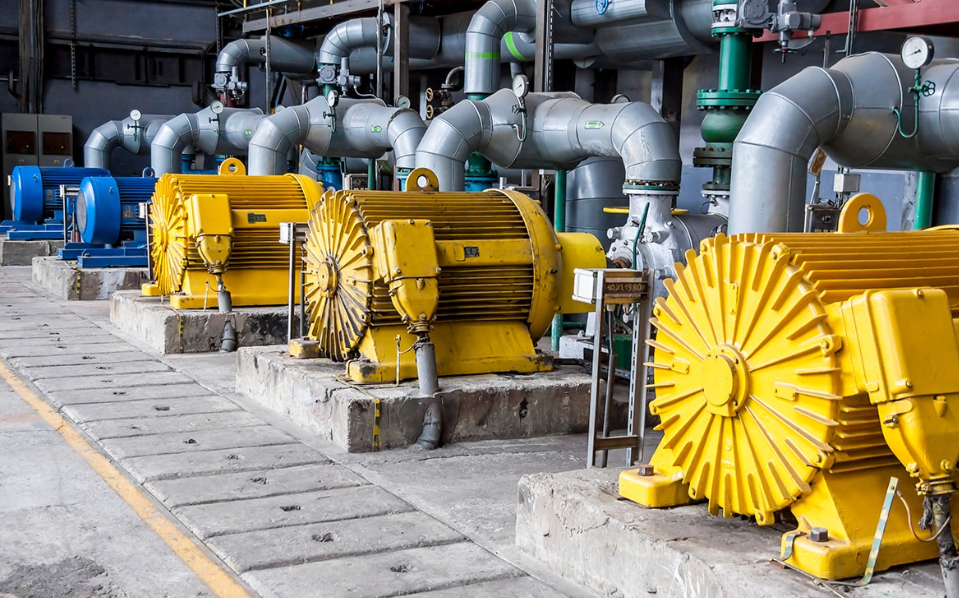
In the vast world of manufacturing, each component plays a crucial role in ensuring smooth operations. One such critical element is the industrial motors. These powerhouses are the lifeblood of any manufacturing unit, powering machines and systems that create products we use every day. They drive the wheels of industry, transforming electrical energy into mechanical energy to run everything from conveyor belts to complex robotics.
Synonymous with Power and Efficiency
Also known as industrial drive systems, these motors are synonymous with high power, precision, and efficiency. They come in various forms and sizes, each uniquely designed to serve specific applications. From simple tasks like pumping water to intricate functions involving precise movements in robotics, they cater to a broad spectrum of industrial needs.
An excellent example of such a motor is the electric motor, which has become an integral part of modern manufacturing. It’s a workhorse that provides reliable, efficient, and sustainable operation, making it a popular choice among manufacturers.
Driving the Wheels of Various Industries
Industrial motors have found widespread application across different sectors. Whether it’s the food and beverage industry, where they’re used in mixers and grinders, or the automotive sector, where they play a pivotal role in assembly lines, their contribution is undeniable.
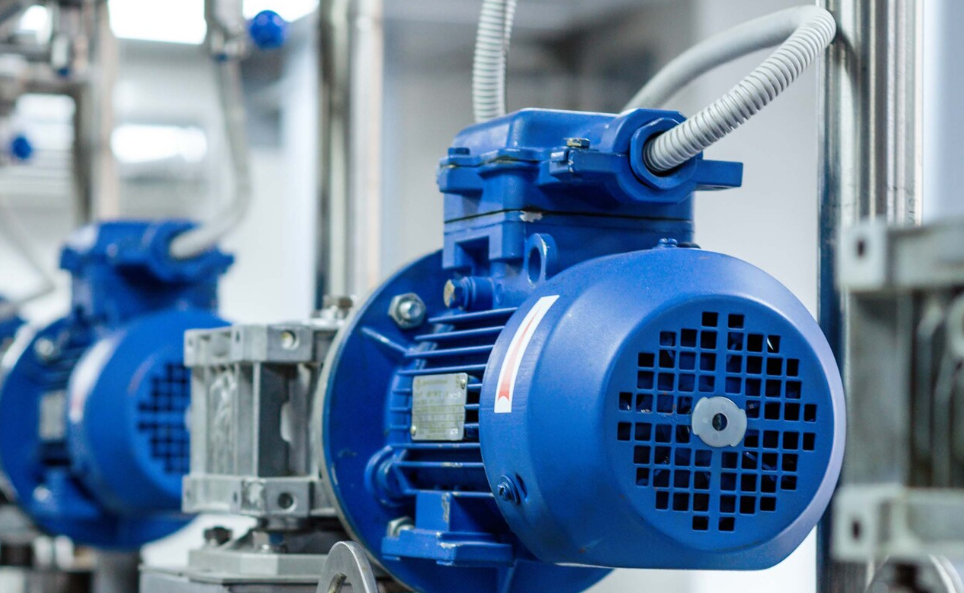
The Power Behind Industrial Fan Motor
A key player in the motor family that deserves mention is the industrial fan motor. This specific motor type is the backbone of ventilation systems in factories, providing much-needed air circulation. It not only ensures comfortable working conditions but also aids in removing harmful fumes and particulates, thereby playing a crucial role in maintaining a safe and healthy work environment.
Energy Efficiency and Sustainability
With increasing awareness about energy consumption and its environmental impact, the role of energy-efficient motors has become even more significant. Modern industrial motors are designed to consume less electricity and deliver more power, aligning with the global trend toward sustainability.
High-efficiency motors reduce energy costs significantly, making them a viable long-term investment for industries. Moreover, they contribute to minimizing the carbon footprint, thus playing a crucial role in the fight against climate change.
Conclusion
Industrial motors, with their unmatched power and efficiency, continue to be the driving force behind manufacturing processes. Their ability to adapt to different industrial applications makes them indispensable in the manufacturing sector. As technology continues to evolve, these motors will undoubtedly become smarter and more efficient, further reinforcing their vital role in the industry.