
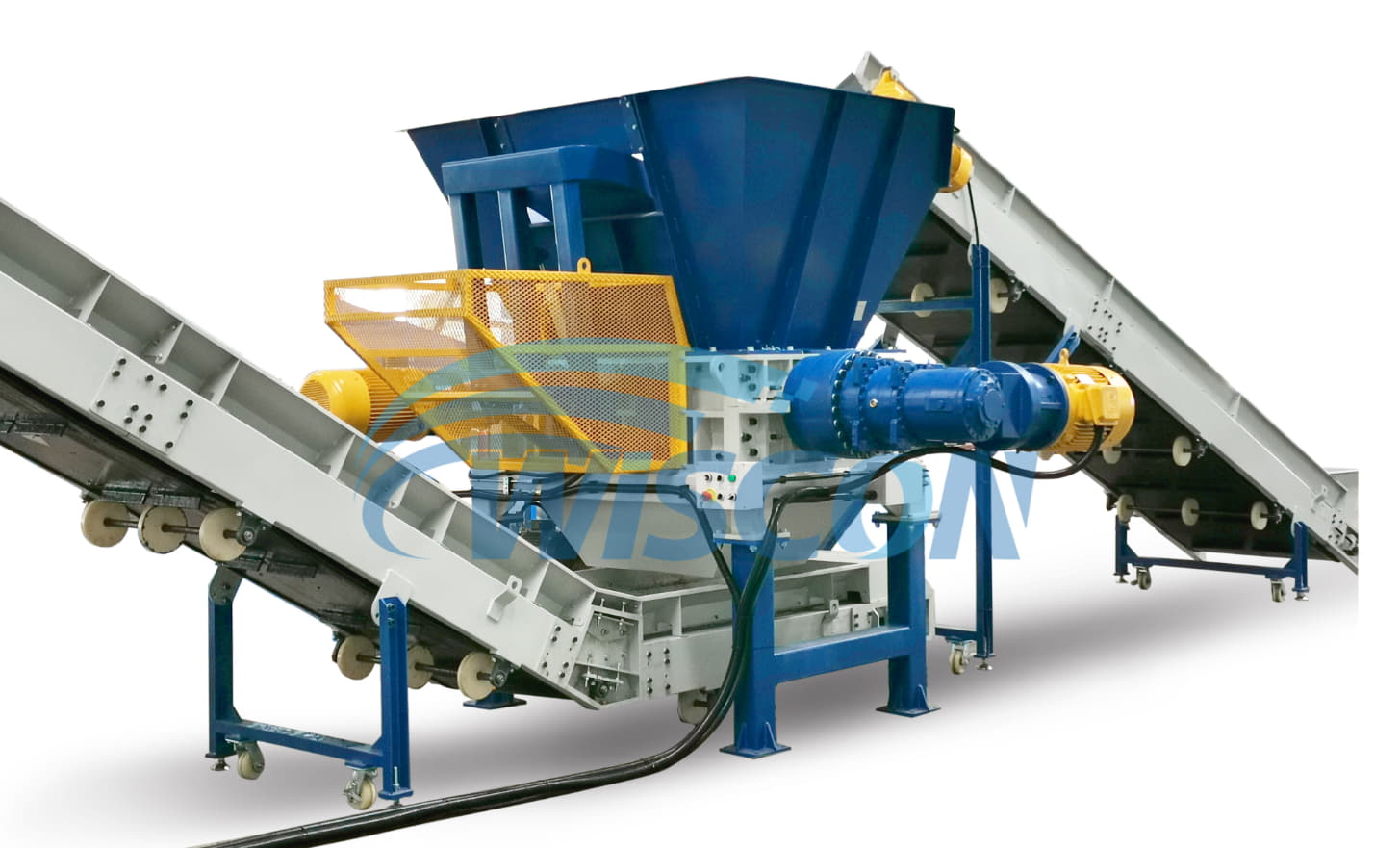
Recycling machines are crucial for converting everyday waste into reusable materials. They help not only to reduce environmental impact but also to foster sustainable practices in various industries.
Proper maintenance is key to ensuring these machines operate efficiently for years to come. Whether you manage a large recycling facility or a small community recycling program, understanding how to care for your waste recycling machines can save you both time and money.
Regular Cleaning
One of the fundamental aspects of maintaining any mechanical equipment is keeping it clean. Dust, debris, and other residues can accumulate over time, which may lead to mechanical failures or inefficiencies. Set up a routine cleaning schedule to ensure:
-
All accessible parts of the machine are wiped down and free of waste material.
-
Air filters and exhaust systems are regularly checked and cleaned to prevent clogging.
-
Conveyor belts, sorting mechanisms, and other moving parts are kept free from obstructions.
Lubrication
Proper lubrication reduces friction between moving parts within your recycling machine, which decreases wear and tear and extends the lifespan of the equipment. Make sure to:
-
Use the correct type of lubricant according to the manufacturer’s recommendation.
-
Apply lubricant regularly, according to the maintenance schedule provided with your machine.
-
Check for signs of excess oil or grease build-up, which can attract dust and debris.
Routine Inspections
Regular inspections are vital to catching small problems before they escalate into major issues. During these inspections, look for:
-
Any signs of wear and tear, such as cracks, rust, or unusual noises during operation.
-
Electrical systems for any damaged wires or poor connections.
-
Hydraulic systems for leaks or changes in pressure.
These routine checks can help you identify potential failures that could interrupt the recycling process.
Replace Parts Timely
Components of these machines can wear out over time. Keeping track of the lifespan of each component and replacing parts before they fail is crucial. This proactive approach helps in:
-
Maintaining the efficiency of the machine.
-
Reducing downtime caused by unexpected breakdowns.
-
Ensuring safety for operators.
Training for Operators
Well-trained operators are essential, as they are the first line of defence against machine malfunction. Ensure that all operators:
-
Understand how the machine functions.
-
Are aware of the proper startup, operation, and shutdown procedures.
-
Can identify signs of potential problems.
Investing in periodic training sessions will keep your team informed and alert to changes in machine performance.
Professional Maintenance Services
Even with a dedicated in-house maintenance team, it’s beneficial to hire professional service technicians occasionally. These experts can:
-
Conduct thorough inspections and maintenance that might be beyond the scope of your routine care.
-
Update software and hardware as needed.
-
Provide specialised expertise in troubleshooting and repairing complex issues.
Scheduling professional maintenance once or twice a year can greatly enhance the operational reliability of your machines.
Conclusion
Maintaining your waste recycling machines doesn’t just prolong their lifespan—it ensures they operate at peak efficiency, helping you manage waste more effectively and sustainably.
By implementing these maintenance practices, you are safeguarding your investment and contributing to a healthier environment. Remember, a well-maintained machine is a reliable asset in the recycling industry.