
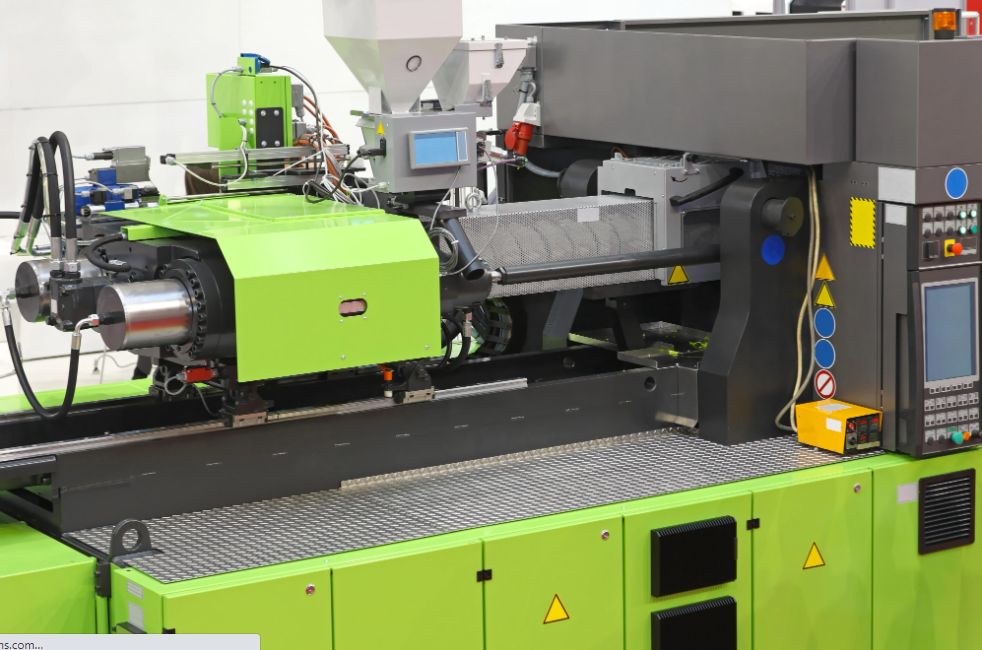
The technology of injection moulding is created in the 1940s, and it is a complete process where plastic parts are manufactured. It seems to be a simple process, but it is not. It is a complicated process that creates one solid piece. Several components combined together and make this machine. These parts include a hopper, a barrel that contains a reciprocating screw, a temperature controller, a clamping device, and the injection mould itself.
Side throw slasher, injection moulding, and air sorters are some of the common terms you may hear when it comes to industrial and commercial use equipment and machines. In this article, we discuss the process of the injection moulding machine.
You may get wondered to know that the combs, toothbrushes, and bottle caps used on a daily basis are made out of this process. Yes, this technology has helped in improving our lives as it creates most of those components that are challenging for us to create by our self. This process is only carried out by skilled technicians who know how to operate the machine and give a command to it. Plus, the designs of each component are designed on 3D computer-generated models.

In this process, the plastic pellets are inserted into the container known by the name of screw or auger. It is generally powered by a hydraulic. This container is inside the cylinder that when turned, the pellets are inserted into the auger’s grooves until the pellets get melted. Once the pellets get meltdown, it is injected into the mould. This melted plastic is inserted into the split-die mould.
Once the reciprocating screw pushes forward the moulds with the assistance of high pressure about 10k to 30k psi, the process of injection is done. After this, the prepared mould solidifies and gets separated from the cylinder. And the process where mould turns into a solid-state is called solidification. After the solidification procedure, the mould is permitted to cool down and form the desired shape and design.
Unlike feeding, moulding, and solidification stages, this stage takes longer time and consumes about 85% of the complete cycle time. After the process of solidification, the mould undergoes the procedure of demolding. In this process, the moulds clamp is opened for moulds ejection.
Plastic is not the material used in this process. Several other materials are also used in these machines that are highly compatible with cheap injection moulding, including metal. It is a versatile machine, and it is a necessary part of modern society due to its hundreds of uses.