
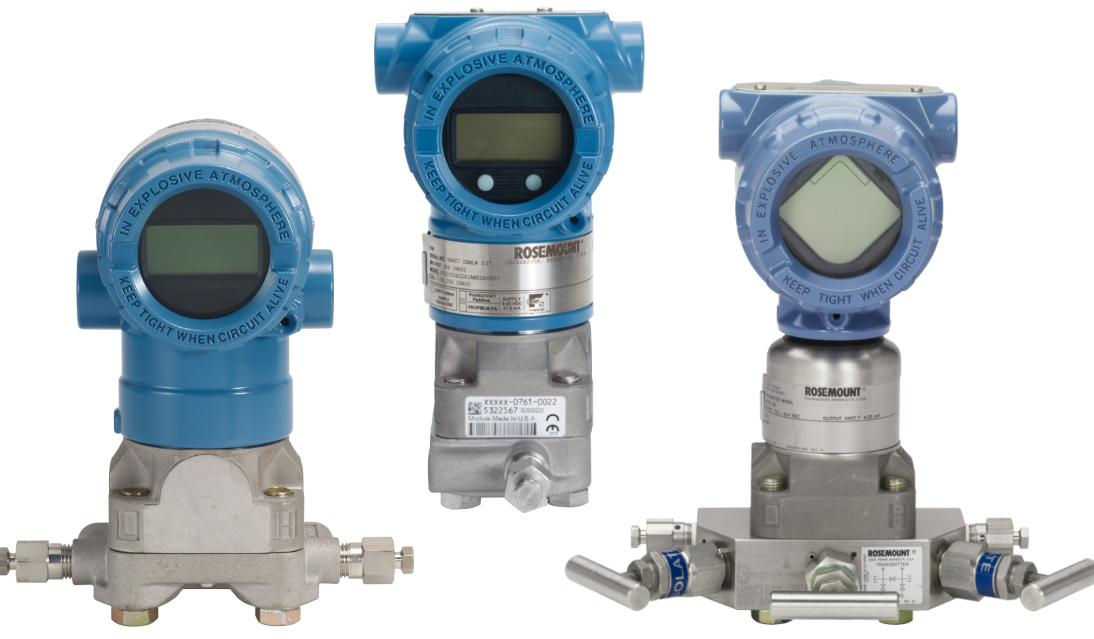
Selecting the proper absolute pressure transmitter is essential for ensuring the accuracy of your process measurements. There are several factors to consider when selecting, including process conditions, piping configuration, and the type of transmitter output required.
This article will provide an overview of the different types of absolute pressure transmitters and how to select the best suited for your application. We will also provide you a brief overview of the installation and calibration process.
Choosing a Process Connection:
The first step in choosing an absolute pressure transmitter is to decide which process connection type you need. Different types of connections are available, including:
1. Flange Mounted Pressure Transmitter
A flange-mounted pressure transmitter is the most common type of sensor and is used for measuring pressures as low as 0.1 bar (10 kPa) to as high as 60 bar (600 kPa). The flange mount provides a secure connection between the transmitter and piping
2. Direct Mounted Pressure Transmitter
A direct-mounted pressure transmitter is similar to a flange mount except that it does not require an additional flange plate to maintain its integrity.
3. Externally Mounted Pressure Transmitter
An externally-mounted pressure transmitter is designed for higher temperatures and pressures than other transmitters because it does not require any additional support structure

Choosing an Absolute Pressure Transmitter Installation Location:
When selecting an absolute pressure transmitter for your application it’s important to consider where exactly it will be installed within the process itself. The location where the transmitter is installed will impact overall accuracy as well as its ability.
Specify the Required Electrical Connections:
Absolute differential pressure transmitters can be purchased with 4-20mA analog and 0-10VDC digital outputs. The choice between these two options depends on whether you need to send raw data or if you just need a basic indication of a process variable.
Select the Proper Transmitter Based on The Presented Specifications:
Selecting an absolute pressure transmitter can be difficult because there are many different types available; each has its own specifications that must be met by any process measurement system to ensure accurate readings over time.
Conclusion:
When choosing an absolute pressure transmitter, it is important to consider the process conditions, piping configuration, and the type of transmitter output required. Each type of transmitter has its own benefits and drawbacks that must be considered to make the best selection. After installation and calibration, the absolute pressure transmitter will provide accurate process measurements.