
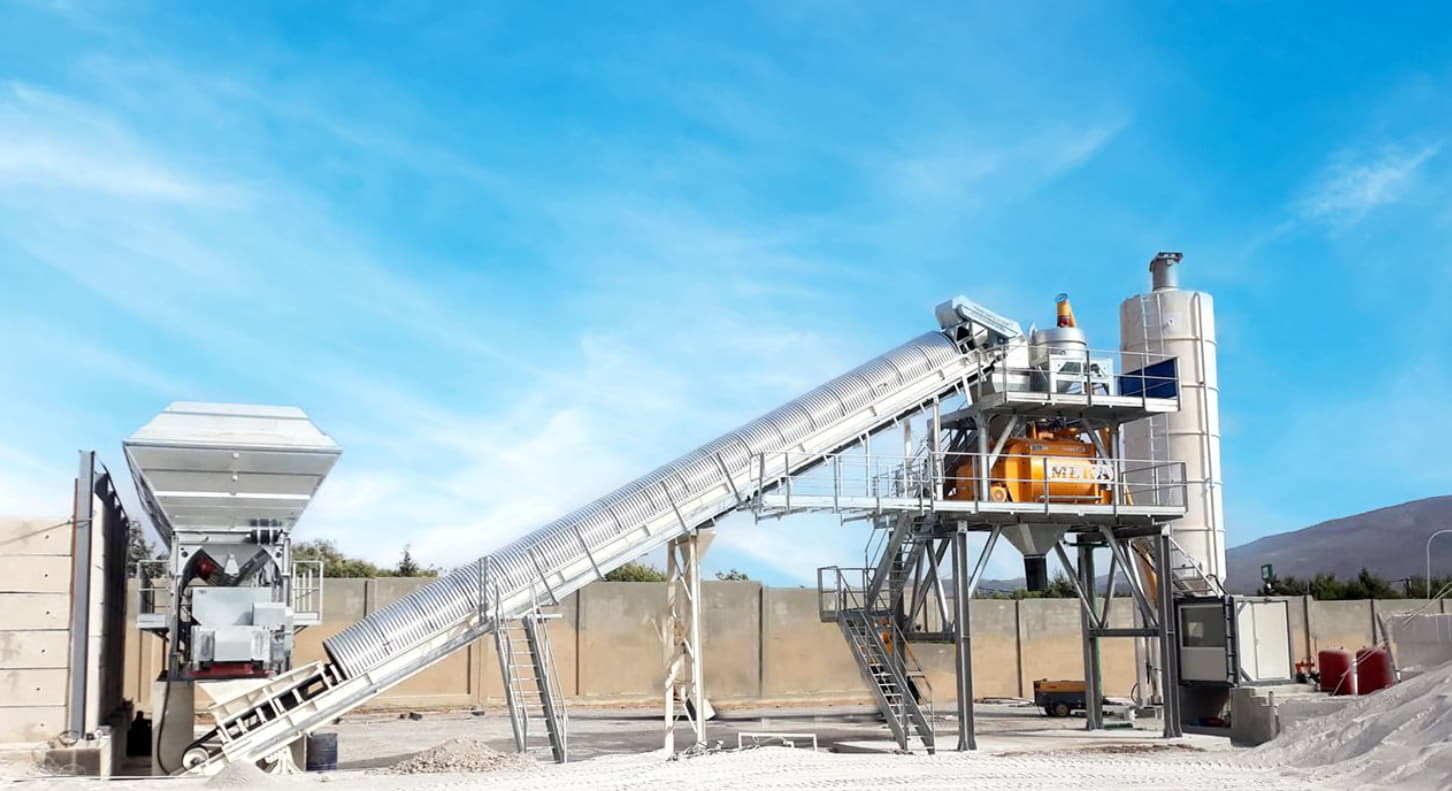
Are you tired of manually mixing concrete for your construction projects? Do you wish there was a more efficient and cost-effective way to produce high-quality concrete? The answer to your problems lies in the adoption of innovative equipment called batching plants. In this article, we’ll dive into the world of these incredible machines, exploring their benefits and how they can revolutionise your construction business.
The Magic Behind Batching Plant
These remarkable machines, sometimes referred to as concrete mixing plants or simply batching systems, are designed to automate the process of producing high-quality concrete. They combine various ingredients, such as sand, water, cement, and aggregate, in precise proportions to create the perfect mix for your construction needs.
The secret to the success of these plants lies in their ability to accurately measure and combine the necessary components, ensuring a consistent and high-quality output. This is achieved through the use of advanced technology, such as computerised control systems and digital weighing scales. The result is a reliable and efficient method of producing concrete that saves time, reduces labour costs, and minimises wastage.
Key Benefits of Batching Plants
By incorporating a batching plant into your operations, you can expect to experience a range of benefits, including:
Improved Efficiency: The automated nature of these machines means that the overall process of producing concrete is much faster than manual methods. This increased efficiency allows you to complete projects more quickly and meet tight deadlines with ease.
Consistent Quality: The precise mixing and measuring capabilities of batching plants ensure that the final product is of a consistently high standard. This not only helps to improve the structural integrity of your projects but also enhances their overall appearance.
Reduced Labour Costs: With the need for manual mixing eliminated, you can significantly cut down on labour costs. This not only saves you money but also frees up your workforce to focus on other essential tasks.
Environmentally Friendly: The use of batching plants reduces the amount of waste produced, as any leftover concrete can be easily recycled. Additionally, these systems are designed to minimise dust and noise pollution, making them an eco-friendly choice for your construction projects.
Choosing the Right Batching Plant for Your Needs
Now that you understand the benefits of incorporating a batching plant into your operations, it’s essential to select the right one to suit your specific needs. Before jumping to any conclusion, you need to consider a few of these factors:
Capacity: Batching plants come in various sizes and capacities, ranging from small, portable units to large, stationary installations. Consider the volume of concrete you require for your projects and choose a system that can comfortably accommodate your needs.
Type: There are two main types of batching plants – dry mix and wet mix. Dry mix plants combine all the ingredients except water, which is added later during the mixing process. Wet mix plants, on the other hand, combine all the components, including water, at the plant itself. Determine which type is best suited to your requirements based on factors such as the climate and the specific needs of your projects.
Budget: Batching plants can vary significantly in price, so it’s essential to establish a budget before starting your search. Keep in mind that while cheaper options may seem attractive initially, investing in a high-quality system by Batchcrete can save you money in the long run due to reduced maintenance costs and improved efficiency.
In conclusion, the introduction of a batching plant into your construction business can have a transformative impact on your operations. Not only do these machines offer increased efficiency and consistent quality, but they also help to reduce labour costs and minimise environmental impact. By carefully considering your specific needs and budget, you can find the perfect batching plant to revolutionise your construction projects. So why wait? Embrace the future of concrete production today!