
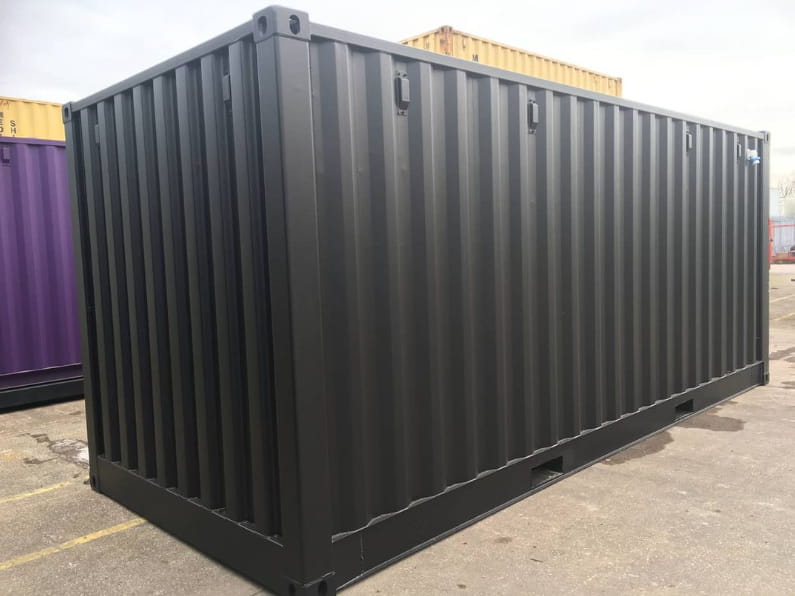
When you buy a container, it can be a cost-effective solution for your storage needs, but it’s important to know the dos and don’ts to ensure you make the right choice. In this blog, we’ll cover the key factors to consider when buying a container and provide you with a helpful list of dos and don’ts.
Dos of Buying a Container:
- Consider your specific needs: Determine the size, type, and condition of the container that will best suit your requirements.
- Inspect the container before buying: Always inspect the container for damage, rust, and other issues that could impact its usability.
- Choose a reputable seller: Buy from a reputable and trustworthy seller who has a good track record of selling quality containers.
- Negotiate for a fair price: Don’t be afraid to negotiate for a fair price based on the container’s condition, age, and other factors.
- Arrange for transportation: Make arrangements for transportation of the container to your desired location before finalizing the purchase.
Don’ts of Buying a Container:
- Don’t overlook the container’s condition: Always inspect the container thoroughly to avoid buying a damaged or unusable container.
- Don’t buy from an unreliable seller: Avoid buying from a seller who has a poor reputation or is not known for selling quality containers.
- Don’t overlook additional costs: Be aware of additional costs such as transportation, permits, and insurance when budgeting for your purchase.
- Don’t skip the necessary paperwork: Make sure you have all the necessary paperwork, including bills of sale and ownership documents, to avoid legal issues down the line.

Container Usage and Maintenance:
- Plan for the container’s usage: Determine the purpose of the container and plan accordingly, whether it be for storage, shipping, or conversion into a living space.
- Schedule regular maintenance: Regular maintenance is crucial to ensure the container remains in good condition and prolongs its lifespan.
- Follow safety guidelines: Always follow safety guidelines when using the open side container, including weight limits, proper ventilation, and secure locking mechanisms.
Conclusion
In summary, buying a container can be a smart investment, but it’s important to know the dos and don’ts to make a well-informed decision. Remember to consider your specific needs, inspect the container, choose a reputable seller, negotiate for a fair price, and arrange for transportation. Additionally, plan for the container’s usage, schedule regular maintenance and follow safety guidelines to ensure your container serves you well for years to come.