
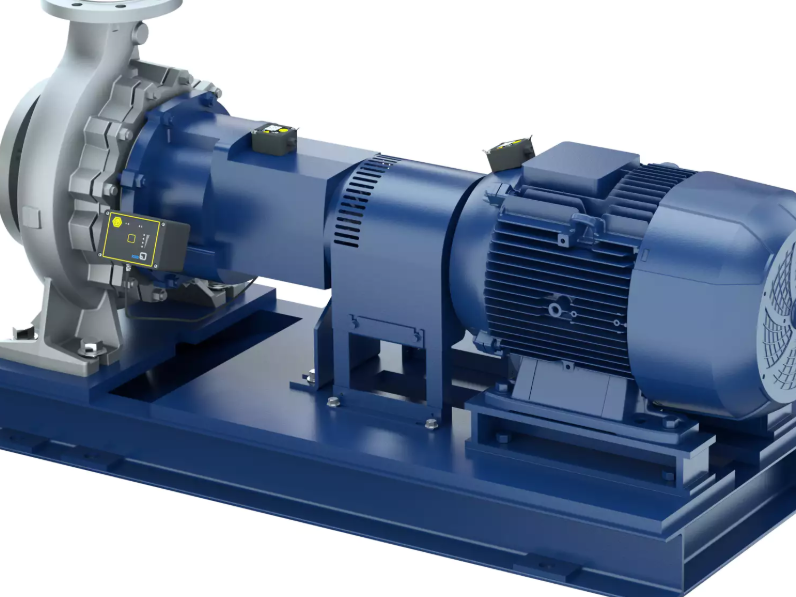
Installing a chemical pump requires precision and care, as these pumps are designed to handle corrosive, hazardous, or sensitive chemicals. Proper installation is essential to ensure the pump functions safely and efficiently, preventing leaks and reducing maintenance needs.
This step-by-step guide will walk you through the process, covering essential preparation, installation, and final checks.
1. Gather Necessary Equipment and Tools
Before you begin, make sure you have all the required equipment, tools, and safety gear. This typically includes protective gloves, goggles, wrenches, piping materials, and a chemical-compatible sealant. Ensure that the installation area is well-ventilated, especially if the pump will be handling volatile chemicals.
2. Prepare the Installation Area
Choose a stable, flat surface to install the pump, ideally close to the chemical source to minimise piping needs. Ensure the area is free from any combustible materials or obstructions. For larger setups, it may be helpful to mark the installation area and arrange the inlet and outlet connections according to your system layout.
3. Position and Secure the Pump
Place the pump securely on the installation surface, ensuring it aligns with your intended flow direction. Use bolts or brackets to secure the air operated pump in place, preventing movement during operation. For larger pumps, confirm that the mounting surface can handle the pump’s weight and vibrations.
4. Connect the Inlet and Outlet Pipes
Carefully connect the inlet and outlet pipes to the pump. Use chemical-resistant piping materials compatible with the chemicals being handled. Apply a chemical-resistant sealant on the threaded joints to ensure a secure, leak-proof fit. Make sure the piping is free of any bends or tight curves, as this can affect flow rate and pressure. If you’re using drum pumps, ensure that they fit properly into the chemical drums to avoid leaks and spillage during transfer.
5. Check Electrical Connections
For electric chemical pumps, ensure all electrical connections comply with local safety standards. Verify that the voltage matches the pump specifications and ensure the wiring is well-insulated to prevent short circuits. If the pump is explosion-proof or has special safety features, follow the manufacturer’s instructions for wiring to avoid hazards.
6. Prime the Pump
Priming removes air pockets, which can interfere with the pump’s function. Follow the manufacturer’s instructions to prime the pump by filling it with the chemical or liquid until it reaches the correct level. Ensure there are no leaks in the system and that all connections are secure.
In conclusion, installing a chemical pump involves careful planning, secure connections, and thorough testing to ensure safe and efficient operation. With proper setup, your pump will function reliably, ensuring safe and effective chemical handling for your system.