
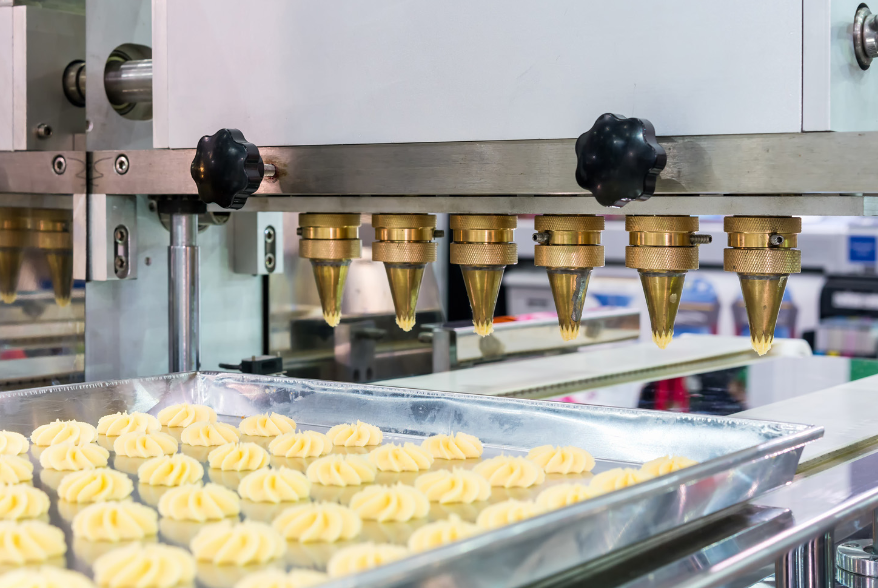
When it comes to maintaining the quality and efficiency of your food and beverage production process, selecting the right equipment is crucial. Among these, food and beverage pumps play a pivotal role. They ensure that liquids and semi-liquids are transferred smoothly, maintaining hygiene and preventing contamination. This guide will help you understand the key factors to consider when choosing the best pumps for your needs.
Understanding Your Requirements
Before diving into the technical aspects, it’s essential to clearly understand your specific requirements. Consider the type of food or beverage you are processing. Is it a viscous product like sauces or syrups, or a thinner liquid like juices or milk? The nature of the product will significantly influence your choice of pump.
Types of Pumps
- Centrifugal Pumps:
These pumps are ideal for handling low-viscosity fluids. They are known for their efficiency in transferring large volumes quickly. However, they might not be suitable for thicker substances. - Positive Displacement Pumps:
Perfect for high-viscosity products, these pumps provide a constant flow regardless of the pressure. This category includes various types such as diaphragm, peristaltic, and rotary lobe pumps, each with its unique advantages. - Diaphragm Pumps:
These are versatile and can handle a wide range of viscosities. They are particularly useful in applications requiring gentle handling of the product to prevent degradation.
Material and Construction
The construction material of the pump is a critical factor. Stainless steel is the most common choice due to its durability and resistance to corrosion, making it suitable for food and beverage applications. Ensure the pump materials comply with food-grade standards and are easy to clean to maintain hygiene.
Pump Efficiency and Maintenance
Efficiency is vital in reducing operational costs and maintaining consistent production rates. Look for pumps with high efficiency and low energy consumption. Additionally, consider the ease of maintenance. Pumps that are easy to disassemble and clean can save you significant time and labour costs.
Integration with Existing Systems
Ensure that the pump you choose can seamlessly integrate with your existing production system. Compatibility with other equipment and control systems is crucial for smooth operations. Consider pumps that offer flexibility in installation and operation to adapt to your setup.
Cost Considerations
While it’s tempting to go for the cheapest option, it’s essential to consider the total cost of ownership. This includes the initial purchase price, installation costs, energy consumption, maintenance, and potential downtime costs. Investing in a high-quality pump can lead to long-term savings and increased efficiency.
Choosing the Right Brand
Selecting a reputable brand can ensure reliability and support. For example, Graco pumps in NZ are known for their robust performance and durability in food and beverage applications. A trusted brand often provides better after-sales service and spare parts availability.
Conclusion
Choosing the right food and beverage pumps involves a careful evaluation of your specific needs, the types of pumps available, material construction, efficiency, integration capability, and overall cost. By considering these factors, you can make an informed decision that enhances your production process, ensuring hygiene and efficiency.