
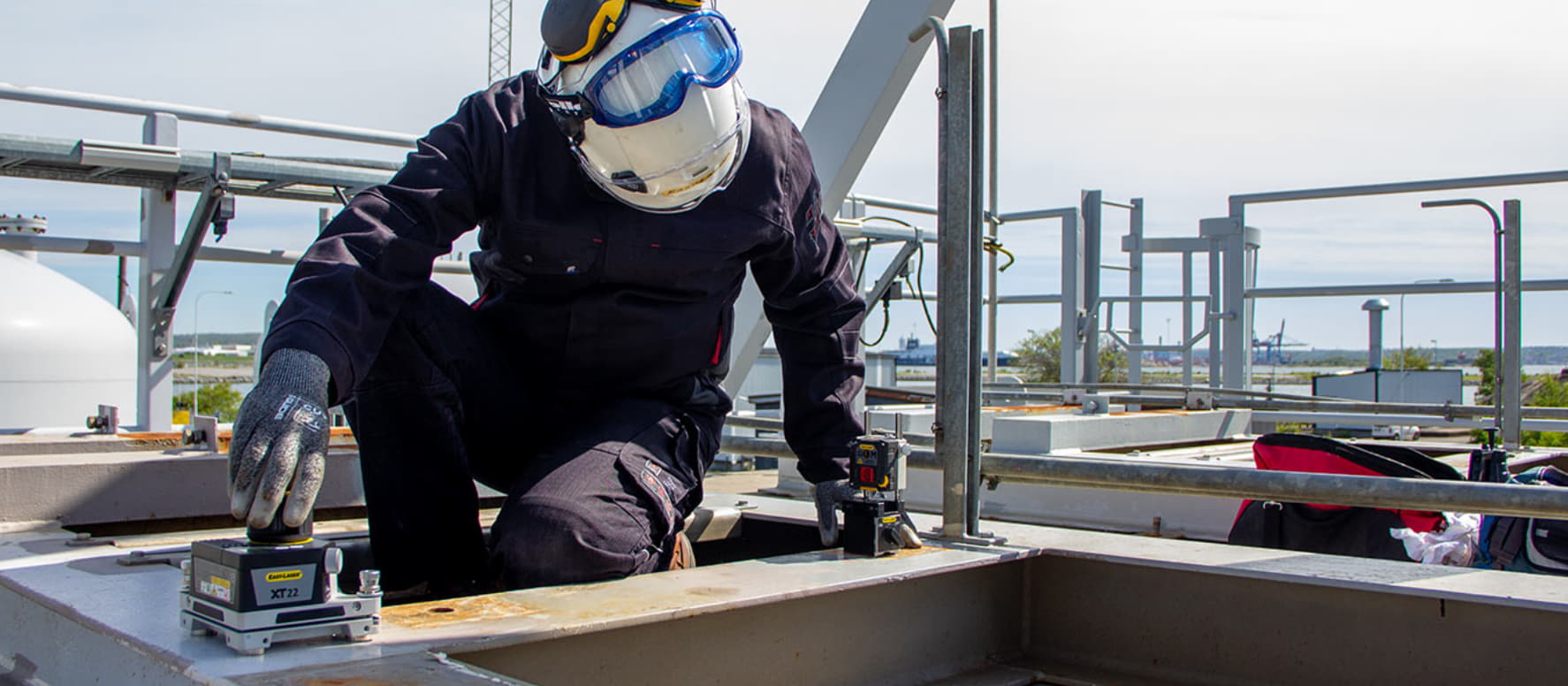
In the realm of precision engineering, accuracy and flatness are paramount. Achieving and maintaining precise flatness in various applications is crucial to ensure optimal performance and functionality. Traditional flatness measurement methods often fall short of delivering the required precision. However, laser flatness measurement technology has emerged as a game-changer, revolutionizing the way we navigate the world of precision engineering. In this article, we will delve into the significance of laser flatness measurement and how it empowers engineers to achieve unparalleled levels of accuracy.
-
The Evolution of Flatness Measurement
Flatness measurement has traditionally relied on manual techniques involving surface plates and mechanical gauges. While these methods have served the industry well, they have limitations in terms of precision, time consumption, and subjectivity. Laser flatness measurement technology, on the other hand, offers a non-contact, highly accurate, and objective approach to measuring flatness.
-
The Power of Laser Flatness Measurement
Laser measurement technology employs a laser interferometer to assess the flatness of a surface. It emits a laser beam onto the surface, and the reflected light is analyzed to determine the flatness profile. The technology enables engineers to capture precise data points across the surface, providing a comprehensive understanding of its flatness characteristics.
-
Unparalleled Accuracy
It delivers unparalleled accuracy in quantifying flatness. By capturing a multitude of data points, it provides a detailed flatness profile, allowing engineers to identify even the smallest deviations from the desired flat surface. This high level of accuracy enables engineers to make informed decisions and take necessary corrective actions to achieve the desired flatness specifications.
-
Efficiency and Time Savings
Compared to traditional methods, laser flatness measurement technology offers significant efficiency gains and time savings. The non-contact nature of the measurement process eliminates the need for physical contact with the surface, reducing the risk of potential damage or distortion.
-
Versatility and Adaptability
It is highly versatile and adaptable to a wide range of applications. It can be employed to measure the flatness of various surfaces, including machine beds, tables, optical components, semiconductor wafers, and more. The technology accommodates different surface materials, shapes, and sizes, making it an invaluable industrial tool for precision engineering across industries.
-
Enhanced Quality Control
It plays a vital role in quality control processes. Ensuring precise flatness helps identify and address manufacturing defects or deviations early in the production cycle. This proactive approach minimizes the risk of costly rework, scrap, and customer dissatisfaction, ultimately enhancing product quality and reliability.
Conclusion:
Laser flatness measurement technology has revolutionized the field of precision engineering, enabling engineers to navigate the realm of flatness with unparalleled accuracy and efficiency. By leveraging this advanced technology, engineers can achieve the desired flatness specifications, optimize manufacturing processes, and enhance product quality.