
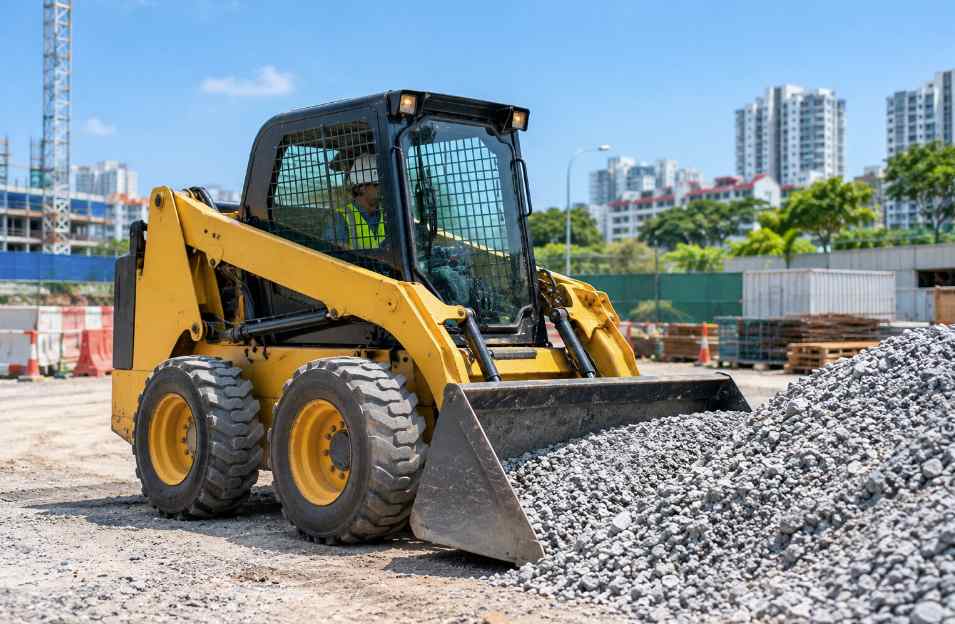
Earthmoving, site clearing, and material handling require versatile heavy machinery capable of navigating unpredictable terrain while carrying heavy payloads. For landscaping projects, utility installation, residential site preparation, and agricultural operations, compact track loaders (CTLs) have become essential equipment across job sites worldwide. Unlike wheeled skid steers that can bog down in loose mud or tear up delicate turf, rubber-tracked loaders distribute machine weight evenly over a wider ground footprint. This structural advantage maximizes traction and flotation while lowering ground pressure, allowing operators to work smoothly in conditions that would stop other equipment.
Choosing the right compact track loader depends on matching machine horsepower, hydraulic flow rate, tipping load, and reach capability to your daily work requirements. Popular mid-sized equipment setups like Sniper Rentals provide versatile options like the Kubota SVL65-2, designed to handle tight site spaces without sacrificing lifting capacity or breakout force. Understanding how track loader specs translate into real-world performance helps site managers complete grading, excavation, and lifting tasks with maximum productivity.
Primary Advantages of Compact Track Loaders
Understanding why track loaders excel in challenging conditions helps operators select the best machinery for their specific site demands:
- Low Ground Pressure: Wide rubber tracks spread overall machine weight, preventing deep rutting on soft clay, wet soil, sand, or manicured lawns.
- Exceptional Traction: Continuous track contact delivers superior pushing power for aggressive grading, digging into hardpack soil, or clearing heavy brush.
- High Operational Stability: A lower center of gravity improves stability when traveling across uneven ground or lifting heavy palleted loads at high boom heights.
- All-Weather Capability: Tracked systems allow crews to resume job site work faster after heavy rainfall without getting stuck in deep mud.
Key Machine Specifications to Understand
When reviewing loader models, several key technical metrics determine how effectively a machine performs specific tasks.
Rated Operating Capacity (ROC) and Tipping Load
- Tipping Load: The total weight at which the loader arms fully extended forward begin to tip the back of the machine off the ground.
- Rated Operating Capacity (ROC): Safe working capacity set by safety standards (typically 35% or 50% of tipping load for track loaders). Always ensure your machine’s ROC exceeds the heaviest materials (like concrete pavers or gravel scoops) you plan to lift.
Lift Arm Geometry: Radial vs. Vertical Lift
- Radial Lift: The loader arms move in an arc pattern. This design delivers maximum reach at mid-range heights, making radial lift ideal for ground-level digging, backfilling, and grading.
- Vertical Lift: The bucket or forks rise straight up in a vertical line. This provides higher reach and maximum clearance at full height, making it superior for dumping into high-sided dump trucks or stacking heavy pallets.
Auxiliary Hydraulic Flow Rates
Auxiliary hydraulics power attachment implements like augers, brush cutters, trenchers, and power brooms. Standard flow rates suit light bucket work, while high-flow hydraulic options are required for running high-demand continuous attachments like mulching heads or cold planers.
Essential Maintenance Protocols for Operator Safety
Proper daily maintenance keeps compact track loaders operating efficiently and prevents premature wear on critical hydraulic and undercarriage components.
1. Undercarriage Inspection and Cleaning
The undercarriage experiences the most physical wear on any tracked loader:
- Clean out mud, rocks, and packed dirt from track frames daily to prevent premature roller and sprocket wear.
- Check rubber track tension regularly; loose tracks can derail during tight turns, while overtightened tracks accelerate bearing wear.
- Inspect rollers, idlers, and drive sprockets for wear, oil leaks, or loose mounting bolts.
2. Hydraulic System Checks
Check hydraulic oil sight glasses prior to starting work. Inspect quick-coupler connections, boom hoses, and tilt cylinders for leaks, cracks, or chafing. Clean dust from hydraulic quick-disconnect fittings before plugging in attachment hoses to prevent fluid contamination.
3. Engine and Air Filtration Care
Operating in dusty conditions can quickly clog air intake filters. Check the air filter dust caps daily, clean radiator debris screens to prevent engine overheating, and monitor engine oil levels before beginning heavy digging work.
Choosing the Right Attachments for Your Site
The true value of a compact track loader lies in its versatility across attachment options:
- Standard Dirt Buckets: Best for excavating, moving loose dirt, or hauling bulk aggregates.
- Pallet Forks: Essential for unloading building materials, lumber pallets, and sod totes from delivery trucks.
- Augers: Ideal for drilling precise fence post holes or foundation footings quickly.
- Grapples: Designed for clearing fallen tree limbs, demolition debris, and brush piles.
By selecting the right machine size, maintaining proper undercarriage care, and using target attachments, operators can complete tough earthmoving jobs safely and efficiently.